By Ana P. Biazon Rocha
IATEFL PronSIG Pre-Conference Event, Lifelong Voices: Teaching pronunciation from childhood to seniorhood, on 20 April 2026, offered an ample opportunity for participants, both online and in-person to reflect and share experiences about teaching pronunciation to learners of different ages. Although pronunciation instruction can be challenging for many, it can also be a source of engagement and development across the lifespan. Whether teaching a five-year-old or an eighty-year-old, the key is adapting the pedagogical approach to learners’ cognitive and emotional needs. In this post, we will consider five key takeaways from the PCE sessions.
1. Young learners: Heads, Hands and Hearts
In the first session, Heads, Hands & Hearts: Active Pronunciation for the Primary Classroom, Kristýna Červinková Poesová and Barbora Müller Dočkalová emphasised that for children, pronunciation should be active and integrated into play rather than taught through abstract rules. In other words, the focus should be on ‘introducing by doing’, making use of these learners’ strong imitative abilities and need for movement.
‘Tag’ is one of the activities suggested during their session. It involves movement to help learners internalise the language:
- One player is ‘it’ and tries to freeze the others, who may only walk.
- Frozen players can be unfrozen when another player touches them, makes eye contact and says a ‘magic spell’ containing the target pronunciation feature.
- This activity can be adapted to different proficiency levels: beginners can practise a fixed sentence, such as ‘You are my friend’, while more advanced learners can create their own sentences using target words displayed on the board.
- For example: To practise the /æ/ sound, the teacher writes words such as ‘panda’, ‘rabbit’ and ‘dragon’ on the board. A student can unfreeze a classmate by saying a sentence containing one of the target words, for example: ‘The panda has a black hat’.
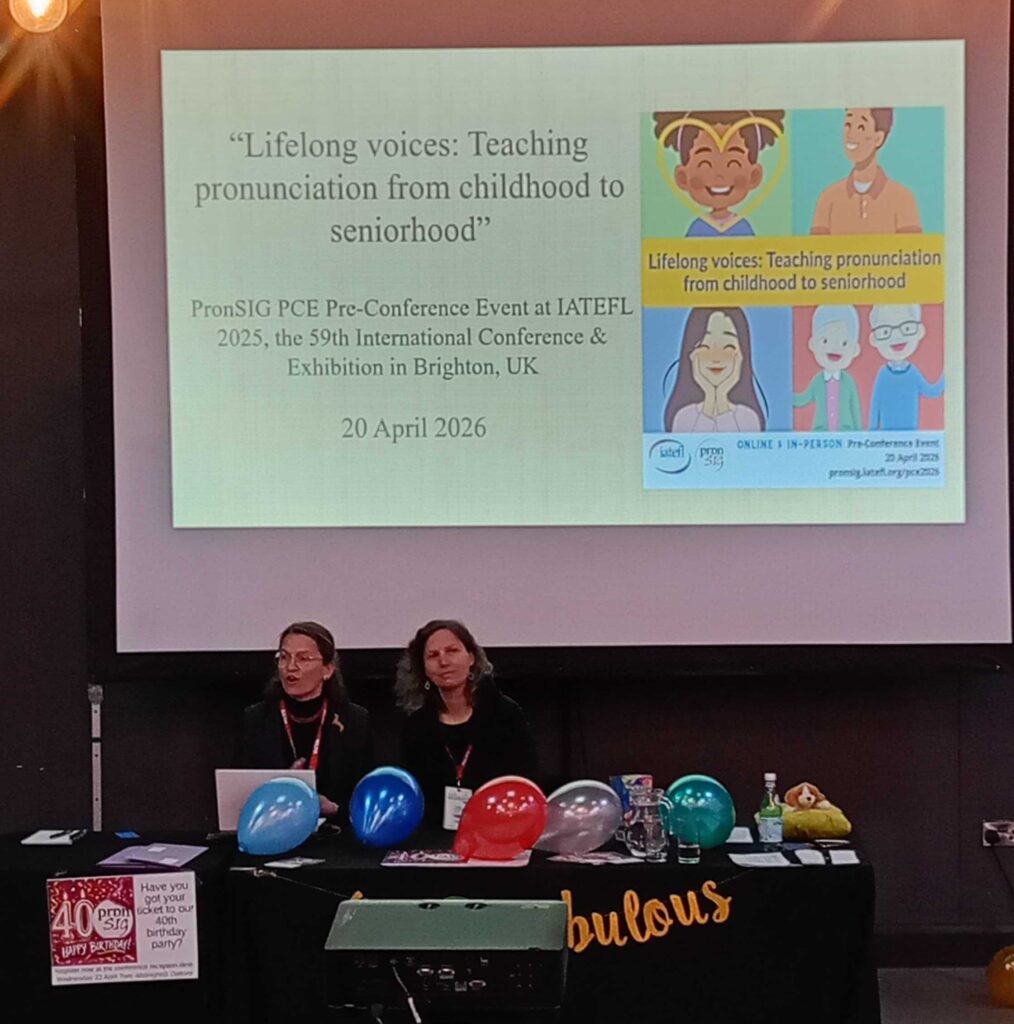
Image 1. Kristýna Červinková Poesová and Barbora Müller Dočkalová’s session
Poesová and Dočkalová also mentioned the importance of using stories, songs and routines to provide context before focusing on specific sounds, as well as replacing complicated terminology with visual aids and characters, such as ‘Sam’ the camel for the /æ/ sound, to spark curiosity and guided noticing.
Overall, the session highlighted that young learners benefit most from pronunciation activities that are playful, embodied and meaningfully contextualised. In this way, pronunciation instruction can stimulate active participation, curiosity and early confidence-building in communication in English.
2. Teenagers: From Cringe to Confidence
In the second session, ‘From cringe to confidence: Pronunciation teaching teens will actually enjoy’, Jason Levine highlighted that teenagers usually face psychological barriers, so instruction must be relevant and high-energy to overcome the ‘cringe’ factor. Rather than relying on simple repetition, incorporating rhythm and rhyme, as well as features of connected speech, can help teens follow natural rhythm and intonation patterns.
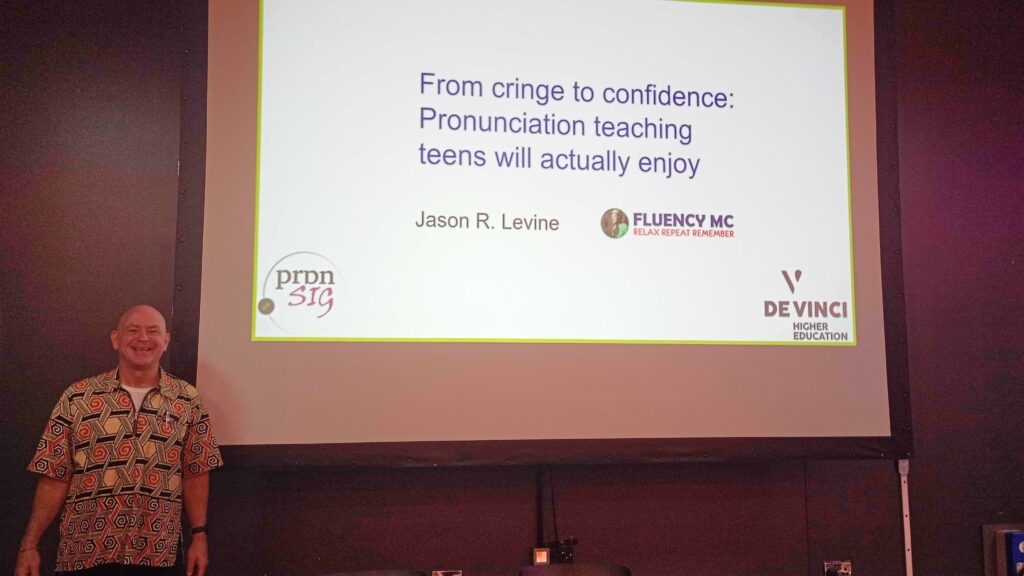
Image 2. Jason Levine’s session
Among the different activities that Levine presented, ‘Rhyming Phrases’ stood out as a fun way to raise learners’ awareness of sound patterns while also engaging them with familiar expressions and chunks of language. Students are shown incomplete rhyming phrases and asked to fill in the gaps. For example:
- You snooze, you _____ (loose).
- A friend in _____ (need) is a friend indeed.
- I hadn’t seen him in ages. It was a blast from the _____ (past).
In sum, Levine’s session illustrated that pronunciation work with teenagers is most effective when it is engaging, low-pressure and integrated into regular lessons. Through activities such as dictations, rhyming tasks and interactive speaking activities that can continue beyond the classroom, teachers can help learners develop both confidence and clearer pronunciation.
3. Adult Learners: The Workplace Years
Tracey Derwing’s Language Training in the Workplace: From the Factory Floor to Engineering Teams – How Can Teachers Help? was the third session of the day. Derwing highlighted that, for adult learners, the focus usually shifts to high-stakes communication and professional identity. She explained that three companies approached her and her colleagues seeking support to improve their employees’ communicative skills. In all three cases, the companies employed L2 speakers who had been living in Canada for many years. In response, short targeted courses focusing on pronunciation and pragmatics were developed.
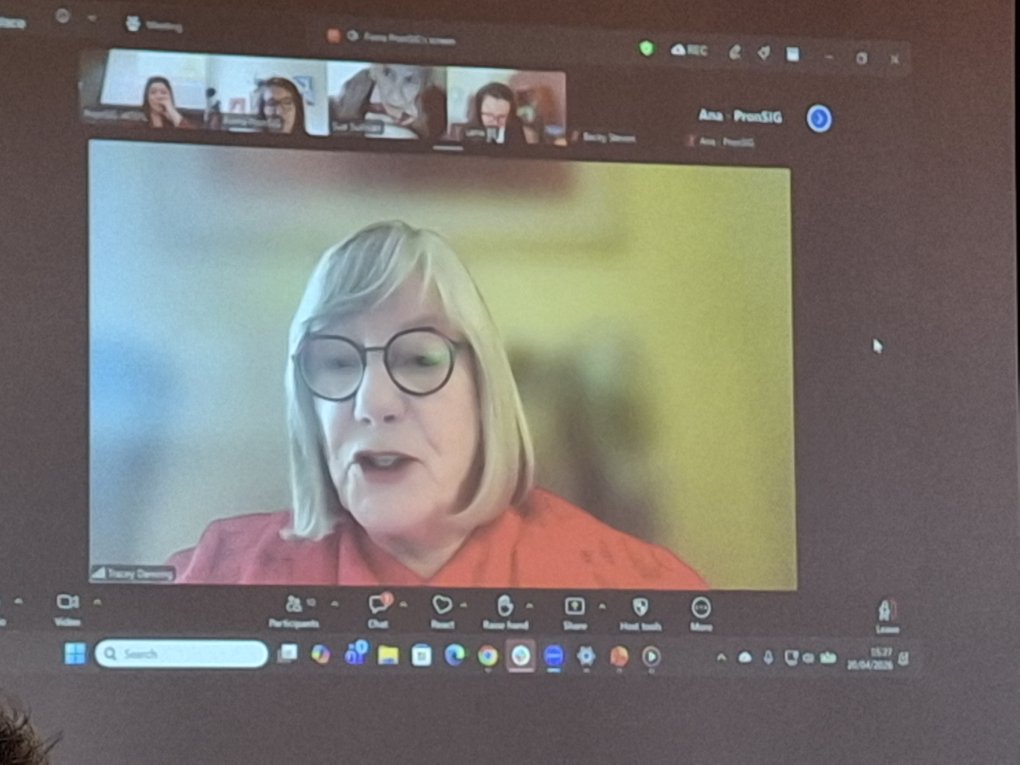
Image 3. Tracey Derwing’s session
Some relevant points made in the session were:
- Targeted needs analysis: Instruction should start by identifying the specific workplace vocabulary, communicative situations and interactional demands learners face in their daily professional lives, such as safety briefings, meetings or client reports.
- ‘Just in time’ practice: As many adults have limited time for study, short but frequent practice sessions, supported by digital tools such as voice recorders or class websites, can be highly effective.
- Immediate results: The goal of workplace language training is intelligibility rather than perfection (and isn’t this the goal of pronunciation teaching in general?!). Even relatively short courses can lead to noticeable improvements in how clearly and confidently immigrant professionals communicate with colleagues.
Consequently, when teaching adults, pronunciation instruction is most effective when it is practical, relevant and directly connected to learners’ immediate communicative needs.
4. Older Adults: The Analytical Third Age
The final session of the day, FL Pronunciation Learning and Teaching in Late Adulthood: Insights from Research, Teachers, and Learners, was led by Małgorzata Baran-Łucarz. Drawing on her research and experience teaching senior learners aged 56 to over 80, Baran-Łucarz emphasised that teaching older adults usually requires a more analytic-linguistic approach that respects their life experience and preference for logic, while also prioritising learner security and cognitive satisfaction.
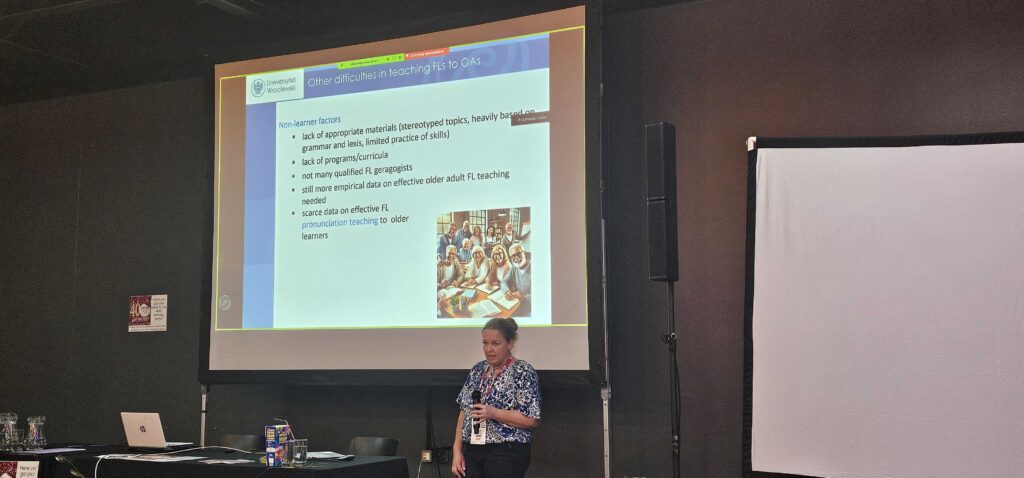
Image 4. Małgorzata Baran-Łucarz’s session
Some of the key ideas presented in the session were:
- Focus on rules: Unlike children, seniors usually feel more secure when pronunciation is supported by explicit phonetic explanations and IPA symbols. They tend to appreciate understanding the ‘how’ and ‘why’ behind sound production (You can check this previous blog post to review key concepts about the phonemic symbols and the phonemic chart).
- Inductive learning through authentic materials: The use of familiar cultural references, such as movie clips or classic songs can help students discover phonological patterns inductively. For example, she mentioned using James Bond’s famous line, ‘My name is Bond, James Bond’, to teach prominence and stress.
- Focus on well-being: Success in pronunciation has a profound eudaimonic effect, making older learners feel more confident, proud and ‘happier’ throughout their day.
This means that, for senior learners, pronunciation instruction is most effective when it combines clear explanations, meaningful connections and a supportive learning environment that values progress and personal fulfilment.
5. What’s common for learners of different ages?
As you may have noticed, the following aspects were consistent across the four PCE sessions:
- meaningful practice
- learners’ engagement
- confidence building
- learners’ cognitive, emotional and communicative needs
- supportive learning environment
These are the basis of effective pronunciation instruction and benefit learners of all ages.
Ultimately, the PCE sessions reminded us that teaching pronunciation is less about mastering individual sounds and more about supporting people at different stages of their learning journey.
For more discussions, ideas and tips on pronunciation teaching, please check previous posts here. Don’t forget to leave your comments below and follow PronSIG on social media.